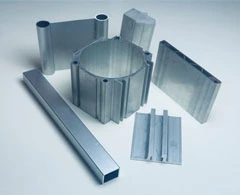
In today's high-performance electronics landscape, managing heat effectively is not optional — it's critical. As devices become more powerful and compact, thermal challenges increase, making the right cooling strategy essential to device reliability and efficiency. One of the most cost-effective and versatile solutions is the use of aluminum heatsink extrusion profiles. In this article, we explore how these profiles enhance thermal performance, why they are widely used, and how choosing the right extruded aluminum heatsink manufacturer like WUHUAN can optimize your thermal design.
Aluminum heatsink extrusion profiles are thermally conductive components shaped via extrusion to maximize heat dissipation in electronic systems. The extrusion process forces heated aluminum alloy material through a die, producing long continuous profiles with precisely engineered fin structures and cross-section geometry. This manufacturing method delivers both structural efficiency and excellent thermal performance.
Compared with casting or machined heatsinks, extruded profiles offer several advantages:
| Feature | Extruded Aluminum Profiles | Cast / Machined Alternatives |
|---|---|---|
| Design Flexibility | High – complex cross-sections possible | Limited |
| Material Uniformity | Excellent | Variable |
| Cost Efficiency | High for medium or large runs | Higher for complex parts |
| Thermal Surface Area | Maximized via custom fins | Limited |
The ability to tailor fin height, thickness, spacing, and shape allows engineers to optimize heat transfer for specific applications, whether passive convection cooling or forced-air environments.
Electronic components like CPUs, power modules, and LED drivers generate substantial heat during operation. Without effective heat dissipation, excessive temperatures can degrade performance, reduce lifespan, and even cause catastrophic failure. The role of heatsinks is to draw heat away from components and into the ambient air or into a cooling medium.
Two performance factors stand out:
Aluminum alloys commonly used for extrusion (e.g., 6000-series) have thermal conductivities typically between ~150–250 W/mK, ensuring rapid heat transfer from the heat source to the heatsink surfaces.
The extruded fin structures significantly increase the surface area available for heat exchange with air. This enhanced surface area, combined with well-designed airflow paths, boosts convective heat transfer — a key metric for thermal efficiency.
Without sufficient dissipation, electronic devices may throttle performance or experience acceleration of thermal wear. Selecting profiles that balance surface area and airflow resistance is essential for sustainable performance.
Modern aluminum heatsink extrusion profiles are more than just metal blocks with fins. Engineers are leveraging innovative geometries and treatments to further enhance thermal performance.
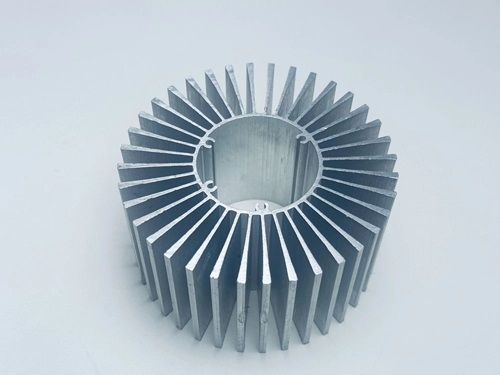
Using tools like CFD (computational fluid dynamics) simulation, designers optimize fin shapes and spacing to promote efficient airflow and minimize hotspot formation. This can increase heat transfer rates by up to 30% compared to traditional designs.
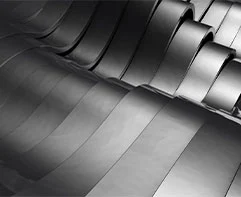
Surface engineering — such as anodizing — improves emissivity and corrosion resistance. Black anodized surfaces, for instance, can significantly increase radiative heat transfer, which helps in passive cooling scenarios.
Extruded profiles can be designed with channels for heat pipes or liquid cooling, integrating advanced thermal management without compromising mechanical integrity.
Selecting a reputable extruded aluminum heatsink manufacturer is pivotal to reaping all the thermal benefits of aluminum heatsink extrusion profiles. WUHUAN stands out as a trusted supplier with deep expertise in precision extrusion technology.
Custom Profile Design: Tailored fin geometries and integration features for project-specific needs.
Material Expertise: Use of high-conductivity aluminum alloys optimized for thermal performance.
Quality Assurance: Precision extrusion, surface treatment, and post-processing ensure consistent performance and reliability.
Scalable Production: From prototype batches to mass production, delivery timelines meet rigorous project demands.
By partnering with WUHUAN, engineers can ensure that their thermal solutions not only meet cooling requirements but also align with cost, size, and manufacturability objectives.
In electronic system design, thermal performance is a defining factor in product success. Aluminum heatsink extrusion profiles deliver remarkable heat dissipation capabilities, thanks to their:
High aluminum thermal conductivity
Flexible geometry for enhanced surface area
Capability for optimized airflow and advanced cooling integration
Choosing the right partner — such as WUHUAN, a seasoned extruded aluminum heatsink manufacturer — further amplifies these advantages, helping engineers solve thermal challenges effectively. Whether for consumer electronics, industrial systems, or high-power computing, aluminum extrusion heatsinks remain at the forefront of thermal management.
 EN
EN