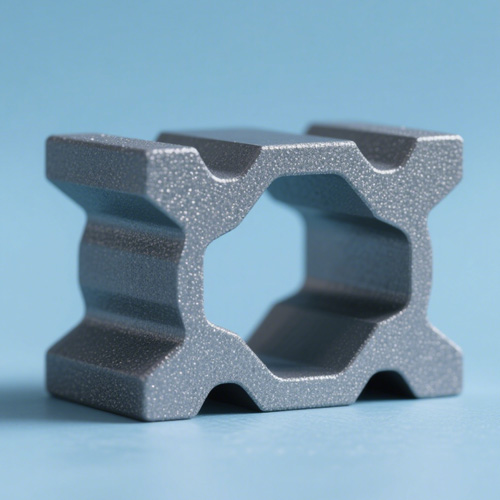
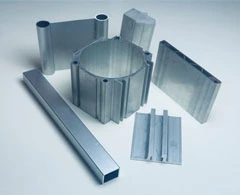
As the automotive industry continues to evolve, the demand for lightweight, high-strength materials is accelerating. One group of materials that has proven indispensable is automotive aluminum extrusions. Known for their excellent strength-to-weight ratio, corrosion resistance, and design flexibility, automotive aluminum extrusions play a critical role in modern vehicle manufacturing across structural, safety, and performance-related components.
Automotive aluminum extrusions are widely used in vehicle frames and structural reinforcements. Their ability to be custom-shaped and engineered for strength allows them to support essential load-bearing structures without adding significant weight. Front and rear crash management systems, bumper beams, and side-impact beams frequently utilize aluminum extrusions for improved energy absorption and crashworthiness. Additionally, aluminum extrusions are key to the development of modular frame architectures, especially in electric vehicles.
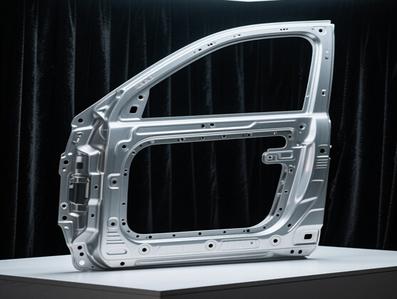
Reducing vehicle weight directly contributes to improved fuel economy and reduced emissions. Automotive aluminum extrusions are ideal for replacing traditional steel components, offering up to 50% weight savings without sacrificing strength. This weight reduction not only benefits conventional internal combustion engine vehicles but is also crucial for extending the range of electric vehicles (EVs), where battery weight is a primary concern.
| Component | Material Replaced | Weight Reduction (%) |
|---|---|---|
| Bumper beam | High-strength steel | 40–50% |
| Battery tray | Sheet steel | 30–40% |
| Roof rail | Hot-formed steel | 35–45% |
In electric vehicles, automotive aluminum extrusions are vital for heat dissipation and thermal control. Battery enclosures, power electronics housings, and cooling systems benefit from aluminum's excellent thermal conductivity. Extruded aluminum battery trays not only provide protection but also act as passive cooling elements, helping maintain optimal battery temperatures and extending the lifespan of EV systems.
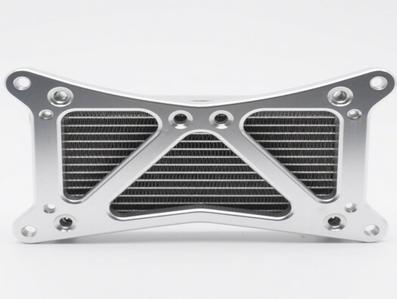
The extrusion process allows for complex cross-sectional shapes, enabling integration of multiple functions into a single component—reducing assembly time and part count. Automotive aluminum extrusions also support sustainability goals due to aluminum's recyclability. Recycled aluminum maintains its original properties, making it a circular solution in automotive design. OEMs increasingly rely on aluminum extrusions to meet environmental standards and lifecycle emissions targets.
The use of automotive aluminum extrusions is transforming the design and performance capabilities of modern vehicles. From structural integrity and crash performance to thermal management and sustainability, these advanced material technologies are paving the way for lighter, safer, and more efficient transportation.
 EN
EN