In modern industrial manufacturing, industrial aluminum profiles have become a preferred material across many industries due to their lightweight nature, high strength, corrosion resistance, and ease of processing. From automation equipment and rail transit to education, scientific research, and the new energy sector, industrial aluminum profiles are widely used throughout various applications.
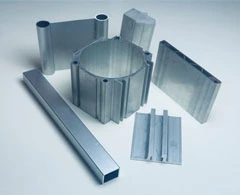
Industrial aluminum profiles are alloy materials primarily composed of aluminum. Aluminum billets are heated and melted, then extruded to obtain aluminum materials with different cross-sectional shapes. Depending on the type and proportion of alloying elements added, the resulting industrial aluminum profiles exhibit different mechanical properties and application ranges.
After surface anodizing, industrial aluminum profiles feature an attractive appearance and strong stain resistance; even when contaminated, they are easy to clean. During assembly, different profile specifications are selected based on load-bearing requirements, together with matching aluminum profile accessories. Welding is not required, making the process environmentally friendly. In addition, these profiles are lightweight and convenient for transportation.
Small Profiles (15/20/30/40/45 Series):
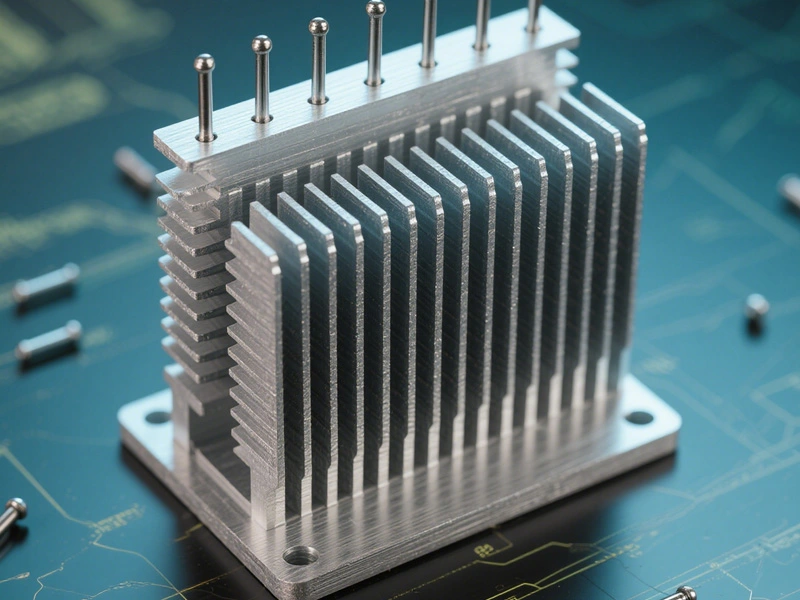
Examples include 1530, 2020, 3030, etc. Suitable for light-duty equipment frames, display stands, and electronic heat dissipation structures.
Medium Profiles (50/60/80 Series):
Examples include 5050, aluminium profile 6060, aluminium profile 8080, etc. Commonly used for production line conveyors and warehouse racking systems.
Large Profiles (90/100/120 Series):
Examples include 9090, 100100, 120120, etc. Mainly applied in heavy machinery frames, bridge supports, and other high-load scenarios.
Special-Shaped Profiles:
Custom aluminium profile can meet specific application requirements.
Anodizing:
Enhances corrosion resistance; common colors include silver, black, and champagne gold.
Electrophoretic Coating:
Provides a smoother surface and improved weather resistance.
Powder Coating:
Offers a wide range of colors, suitable for applications with high aesthetic requirements.
Brushed / Matte Finish:
Improves surface texture and scratch resistance.
Automation Industry – Production Line Systems:
Conveyor frames, assembly workbenches, inspection equipment supports
Robot Integration:
Robotic arm bases, track frames for material handling systems
Transportation:
High-speed rail carriage frames, new energy battery enclosures, lightweight cargo boxes
Energy and Power Systems:
Photovoltaic Power Generation: mounting structures, module frames
Electrical Equipment: distribution cabinet frames, equipment supports
Infrastructure, Education, and Scientific Research:
Experimental equipment and workbenches, protective frames for laboratory equipment
Interior Applications:
Seismic-resistant ceiling keels, partition walls
Special Environment Applications:
Medical Field: operating room equipment pendants, protective equipment frames, mobile modular hospitals
Cleanrooms: cleanroom structures, drying rooms, sterile isolation workstation frames
As the skeleton of modern manufacturing, the importance of industrial aluminum profiles is self-evident. Whether for corporate procurement or personal DIY projects, understanding the characteristics and applications of aluminum extrusion profiles can significantly improve efficiency and project outcomes.
 EN
EN